
Dust generation in feed processing plants and how to prevent it (take dust control seriously)

Dust in livestock, poultry and aquaculture feed processing is central to safe production and environmental protection in feed mills. Feed mills generate varying amounts of dust in processes such as conveying, mixing, grinding, screening and packing.
Now let’s look at where dust is generated in a feed processing plant.
1. Feed intake
Most feed mills tip raw materials into the intake by hand, which easily generates a lot of dust. A suction system can therefore be installed on the dust hood of each intake. It can be used as vacuum feeding or as suction for the feeding elevator boot, handling feeding, dust removal and recovery at the same time.
•
2. Hammer mill

•
If the hammer mill uses mechanical discharge, a pulse filter can be installed at the opposite end of the discharger for dust removal and suction. To prevent air leaks, make sure during installation that the air path is sealed where it leaves the conveyor. The hammer mill inlet can have a secondary air inlet to ensure enough air passes through the grinding chamber with different screens, which also solves airlock blockage and improves system reliability. This method also applies to retrofitting existing hammer mills with poor suction.
•
3. Adding additives
•
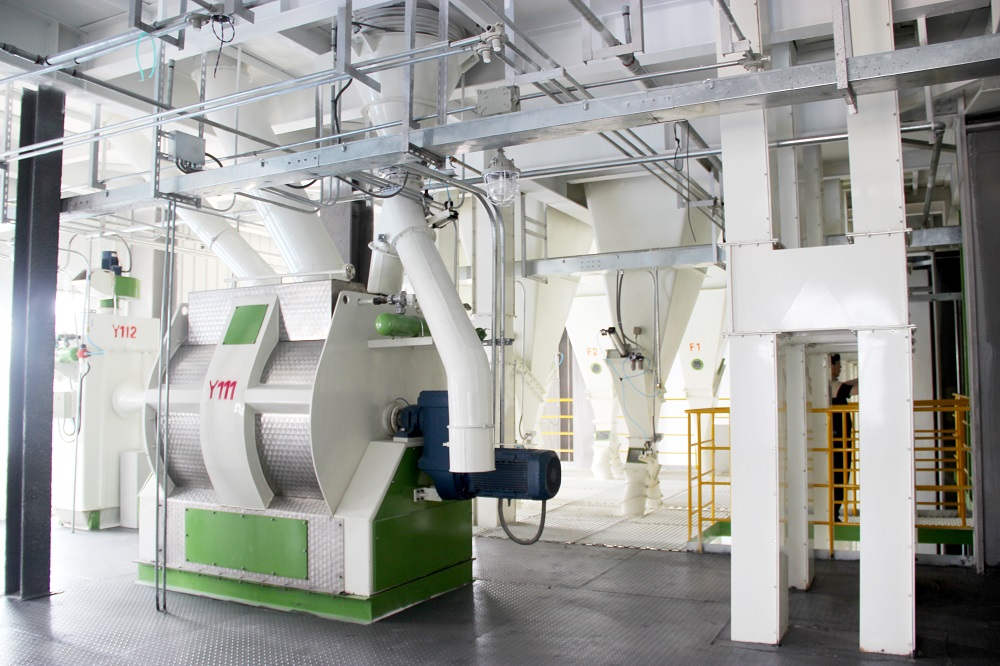
Additive quantities are small, so they must be added separately into the mixer. Given the fineness of these materials, they create dust very easily even in small amounts. For small feed machines a dust collector can be installed; for medium and large ones a suction system or central dust collection system can return the powder directly to the mixer and prevent losses, effectively ensuring feed quality.
4. Bin groups
•
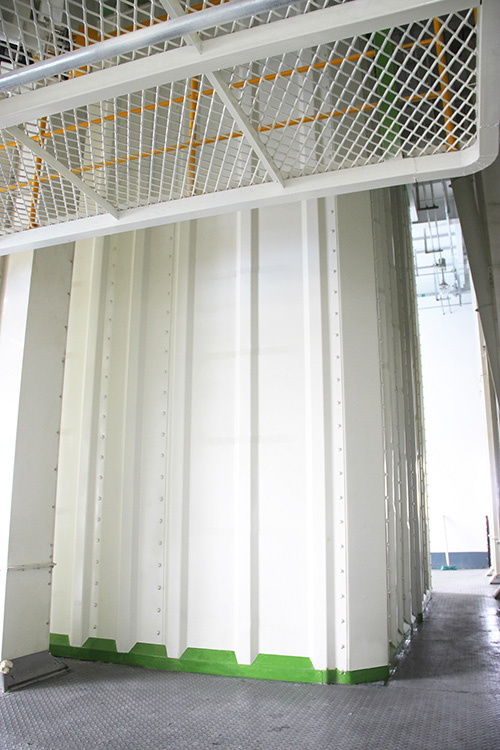
Medium and large feed mills have many material bins, and dust is generated when filling them, so negative-pressure equipment must be installed. With combined bins it is impossible to have a dust removal point for every bin. Dust removal points should be placed according to the location, but can be installed on top of each bin. Collection points can gather dust from each bin through its top. In general we can place one point on the pre-grinding bin, two on the batching bins, one on the pre-pelleting bin and one on the finished product bin, and combine them into one dust removal air network. The suction volume is determined by bin size and fitted with a suitable suction system.
•
5. Bucket elevator
•
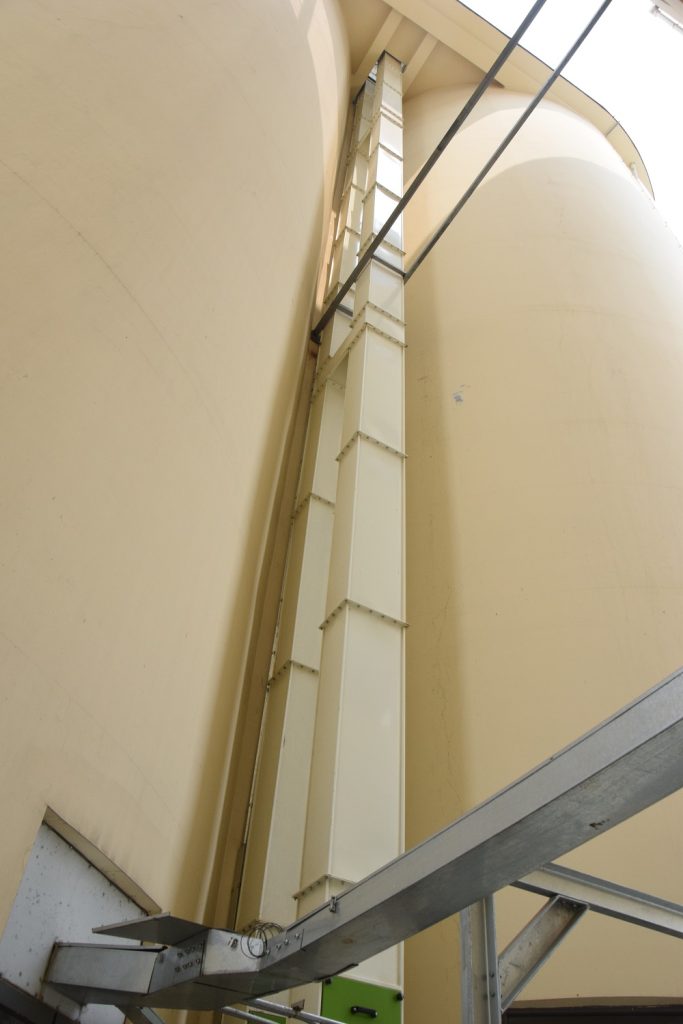
Below 1,000 t capacity, suction is mostly applied at the top, at the discharge point, to prevent dust. For large, tall elevators, suction should be applied at both the inlet and the discharge and combined into one air network to reduce its length and resistance.
•
6. Other points
In raw material cleaning, cooling and finished product packing, the suction system should be designed according to position and combined into one air network.
Dust itself is not toxic, but when mixed with air to a certain concentration it can explode if ignited. Long exposure to high dust levels can seriously affect health, and dust settling on equipment can impair performance and cause electrical faults and accidents.
Feed mills must therefore take the necessary measures to control dust, such as the layout and design of the dust removal air network, the choice of suction equipment and daily equipment management, so take dust control in your plant seriously.
Related posts
The role of dye in feed production: A study of factors affecting quality and correct principles of use
In this article, we will discuss the key points related to the die. From the structure…

Conditioned Mash – an Overlooked Feed Form for Livestock
Many scientific articles have compared the effects of feed form including mash, pellet and crumble in…

Design and technical equipment: key to better feed quality
Why some livestock, poultry and aquaculture feed mills are profitable while others are not.